British Made Brands Worn By Claudia Winkleman on Celebrity Traitors
The Celebrity Traitors finished on Friday night, and once again Claudia Winkleman’s wardrobe has had almost as much attention as the game itself. Many of Claudia’s outfits on Celebrity Traitors are from British brands, but which ones are actually made in the UK?
Genevieve Sweeney
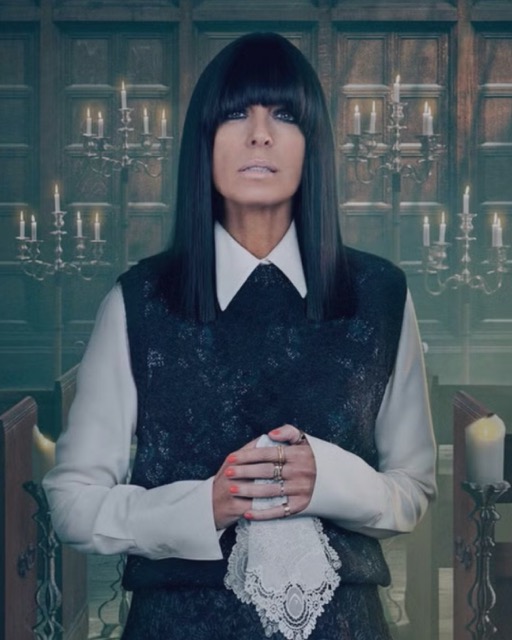
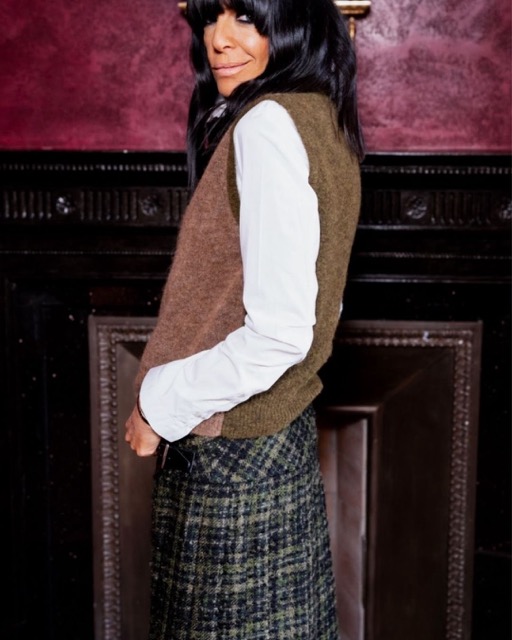
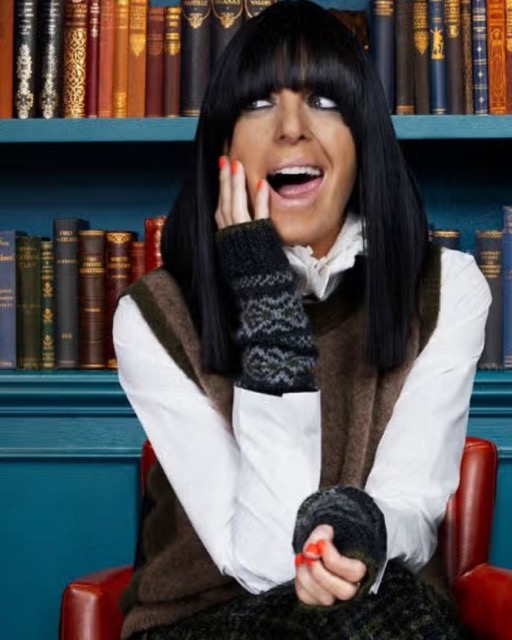
From the off, the teaser images for the show saw Claudia wearing a vest by Genevieve Sweeney, whose micro factory in Essex I visited at the beginning of the year and who I interviewed for this episode of the Make it British Podcast. The vest was knitted in Leicester, from lambswool yarn spun in Scotland, then hand-linked and finished by Genevieve’s team in Hertfordshire.
Judy R Clark
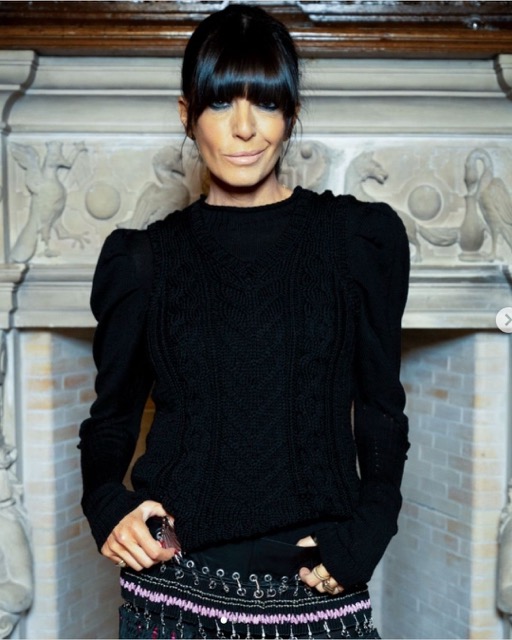
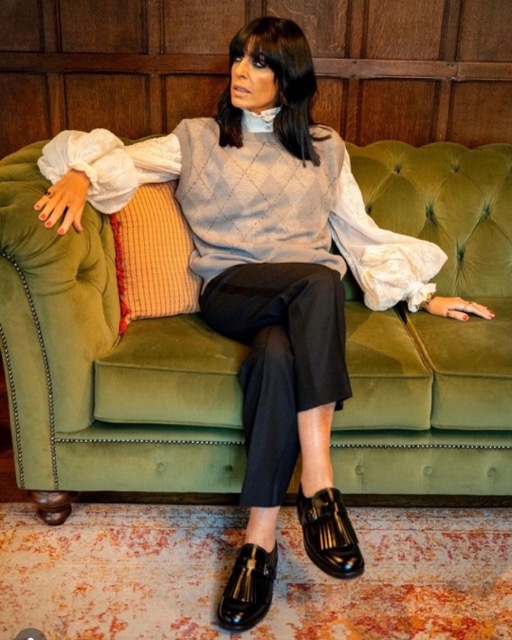
As in previous seasons, many of the pieces chosen for the show had a big Scottish connection, and it was great to see Scottish designer Judy R Clark‘s knitwear featured. Both the puff-sleeve jumper and cable vest were hand-knitted in Glasgow.
Johnston’s of Elgin
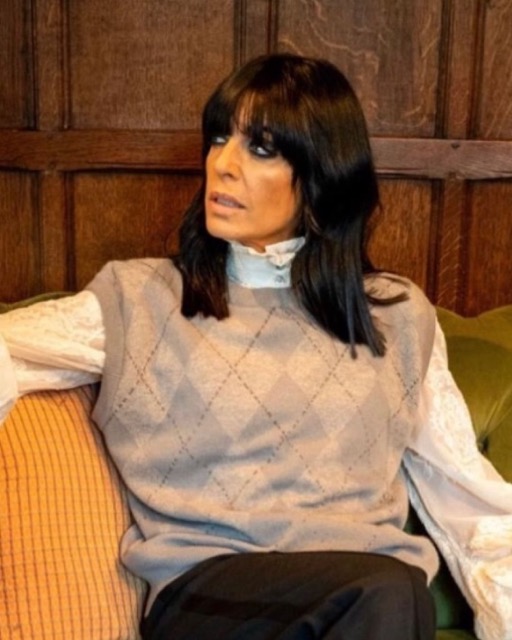
Johnston’s of Elgin‘s cashmere argyle vest was knitted in their factory in Hawick in the Scottish Borders.
Brora
Brora‘s wrist warmers were spun and knitted in Scotland, by a mill that was established over 200 years ago, who I also visited this year (you can work it out from my Instagram 😉).
Le Kilt
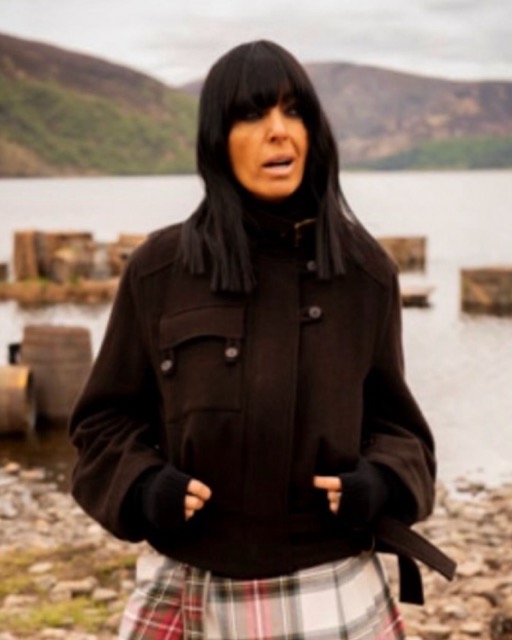
There were also 3 kilts featured from Le Kilt, all of which were made in Scotland, and two of which were credited to Lochcarron of Scotland for weaving the fabric. This particular tweed one was made from British wool as well, so 100% made in Britain.
Judy R Clark
Judy R Clark also had a stunning, made in Scotland lace blouse featured. She credited MYB Textiles for weaving the lace, who are the last remaining lace manufacturer in Scotland. You can see some behind the scenes of MYB lace making on my Instagram post from my visit earlier in the year.
Barrington Ayre
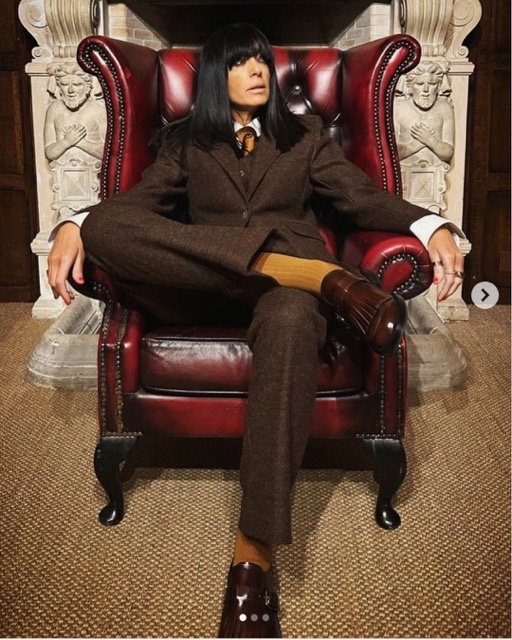
Barrington Ayre‘s stunning wool suit was made in their workroom in Cirencester in the Cotswolds, using William Bliss wool cloth woven by Fox Brothers in Somerset.
Warp & Weft
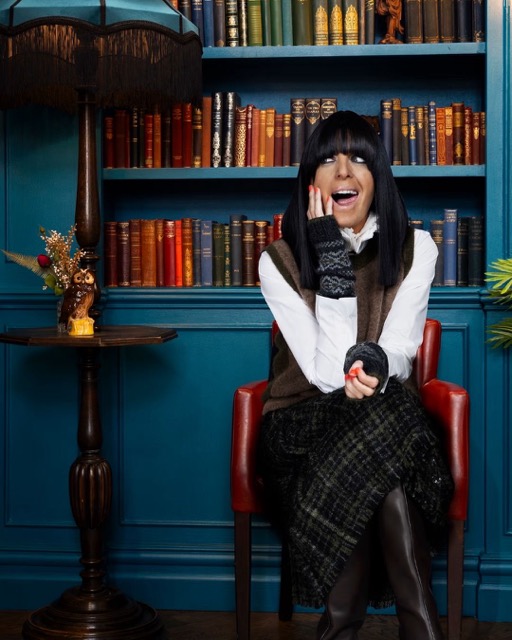
Warp & Weft‘s cotton shirt was hand cut and made in their workroom in Hastings, Sussex.
Herd
Herd‘s wool gloves were knitted in Nottingham (at a knitwear manufacturer that has now sadly closed 😢) and the yarn was spun in Yorkshire using 100% British wool at a spinners that I visited this year as well.
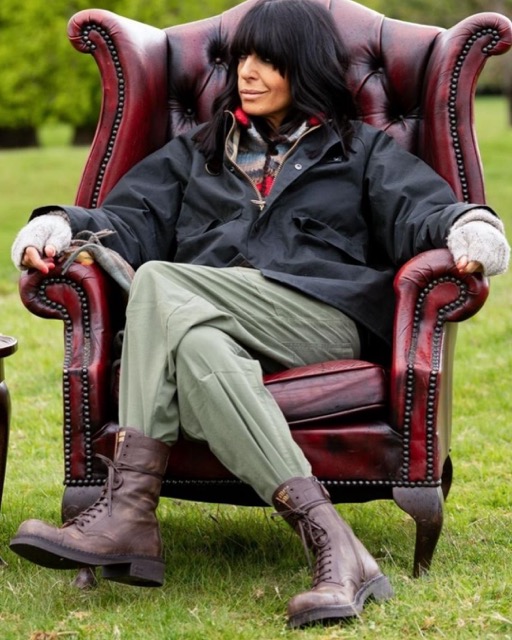
Hambro & Miller
Finally, Hambro & Miller‘s cable and fair isle gloves were both hand knitted in the UK, but I can’t find any more details on the location of the knitters.
Why crediting the mills matters
What I love most about these brands is that many of them have openly credited the mills that made the yarn and cloth for their pieces. Le Kilt has named Lochcarron as the weaver of its cloth, Judy R Clark has credited MYB for her lace, and Barrington Ayre tells you its suit cloth came from William Bliss.
So anyone who went looking for Claudia’s outfits found not just a brand name but the story of how and where each piece was made.
This level of transparency is great news for the mills and factories behind the brands, who so often go uncredited. It’s also something the big brands can’t copy, and it gives customers the confidence to invest when they know the full provenance of what they’re buying and why it costs what it does.
It feels fitting that this series of Celebrity Traitors ended just as Wool Month did, because nearly everything Claudia wore was wool in one form or another.
Seeing spinners, weavers and knitters getting a mention alongside the brands on prime-time telly is about as good as it gets for UK manufacturing, and long may it continue.
Where can you meet UK manufacturers?
If you’d like to meet some of the makers behind the labels for yourself, Make it British Live! returns on 12th and 13th January 2027 at the Business Design Centre in Islington, as a dedicated hall within The London Textile Fair. More details here.